Every May, Monaco becomes one of the most crowded events in Europe. Partially closed roads, car parks full by Thursday, packed trains and hotel prices five times higher than usual: transport to the Monaco Grand Prix demands serious logistical planning well in advance. This guide gives you everything you need to arrive on time, enjoy every session and leave without the stress.
Understanding the traffic constraints during the Grand Prix
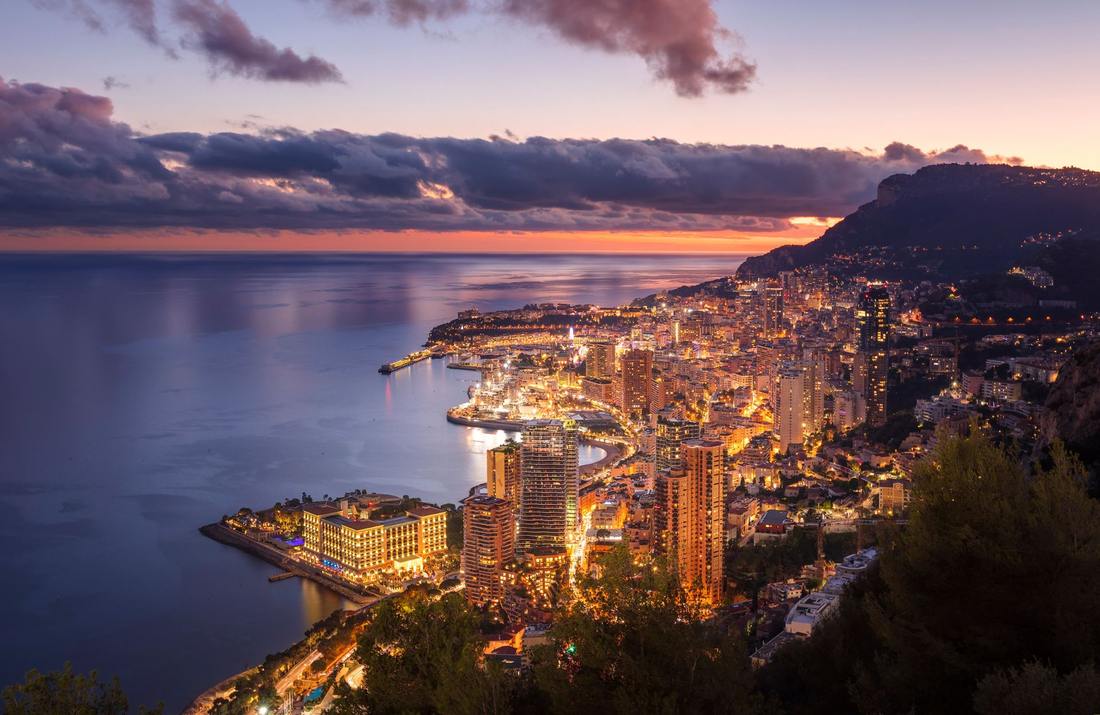
The Principality of Monaco covers less than 2 km², and its street circuit takes over a large part of the public road network from Tuesday through to Sunday of race weekend. The direct consequence: many roads are closed to ordinary traffic, tunnels and slip roads are filtered, and the few resident car parks are shut to outside visitors.
Parking within the Principality itself is simply not a realistic option. The car parks open to visitors (Fontvieille, Hercule) fill up during Thursday's free practice sessions. Even the car parks in neighbouring communes — La Turbie, Beausoleil, Cap-d'Ail — fill quickly on qualifying and race days.
Public transport: practical but limited
SNCF and the Chemins de Fer de Provence run trains from Nice, Antibes and Cannes to Monaco-Monte-Carlo station, which connects directly to the Principality via lifts and escalators. It's economical and car-free, but trains on race weekend tend to be standing-room only from the very first hour of the morning. A few things to bear in mind:
- Trains from Nice are extremely busy on Saturday (qualifying) and Sunday (race day) — plan to leave early
- Monaco station sits below the Rock: allow 10 to 15 minutes on foot or by lift to reach the centre and the grandstands
- The Sunday evening return generates heavy crowds on every train; queuing times can exceed an hour
- Lignes d'Azur regional buses serve Monaco from Nice and Menton, but are subject to the same traffic disruptions
For a day visit without a strict timetable, the train remains a valid option, especially from Nice or Antibes. However, as soon as you are travelling in a group, with luggage, or from a hotel not on a train line, its limitations become apparent quickly.
Driving yourself: not recommended
Attempting to drive to Monaco during the Grand Prix is one of the most stressful decisions a visitor can make. The A8 motorway and coastal roads (Corniche Inférieure, Moyenne Corniche, Grande Corniche) are congested hours in advance. Monégasque police and French gendarmes filter access based on number plates and passes. Without a specific badge, you risk being turned away several kilometres from the entrance.
If you do insist on driving, park in an accessible neighbouring commune (Cap-d'Ail or Beausoleil) and complete the journey on foot or by local shuttle — but those car parks also fill early.
Private chauffeur transfer: the most relaxed solution
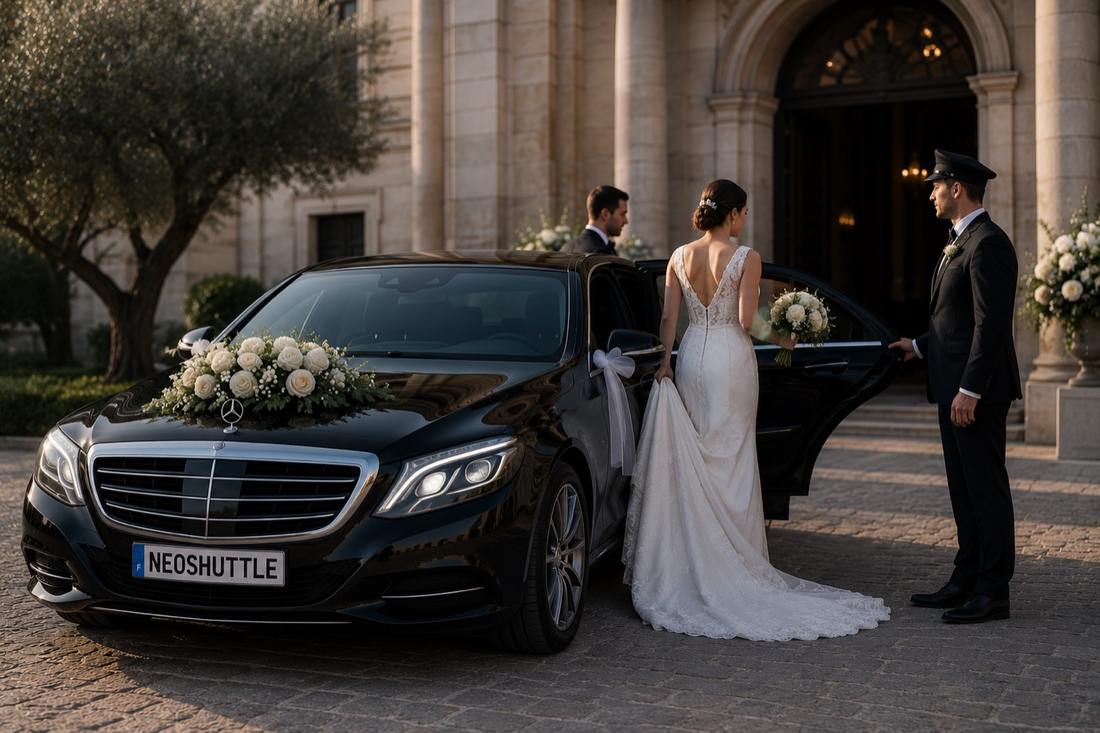
For Monaco Grand Prix transport, the most comfortable option by far is a private chauffeur. You give your hotel, residence or departure station, and your driver drops you as close as possible to the authorised access points in Monaco — typically near the grandstand or paddock entrances — with no parking to manage and no traffic to fight from the driver's seat.
- Fixed price agreed at booking: no nasty surprises, even if traffic is heavier than expected
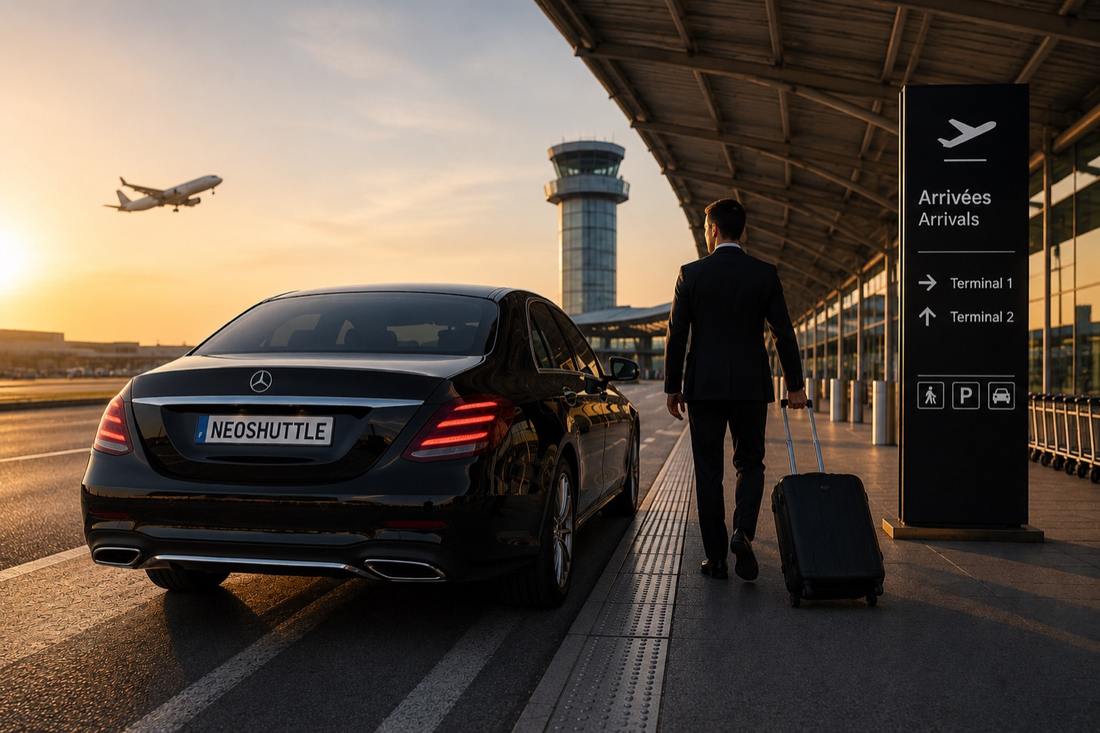
- Pick-up from your door: hotel, villa, Nice Airport or Cannes station — the driver adapts to your departure point
- Private vehicle: sedan for up to 3 passengers or van for up to 8 — the whole group travels together
- Help with luggage and a comfortable ride: water on board, air conditioning, quiet for going over the day's programme
- Available 24/7: whether you are leaving at dawn for free practice or heading home after Sunday evening's celebrations
NeoShuttle serves Monaco from Marseille, Aix-en-Provence, Toulon, Cannes and Nice. See the Monaco destination page for indicative distances and journey times from your starting point.
Journey times from key cities (indicative, outside Grand Prix congestion)
The times below are given outside Grand Prix congestion, which can add significantly to journey times on Saturday and Sunday. Your driver will plan alternative routes in advance, including via the corniches or rear access roads:
- Nice → Monaco: 20 to 40 minutes outside peak periods (around 20 km along the coast)
- Cannes → Monaco: 45 to 75 minutes depending on traffic (around 45 km)
- Antibes → Monaco: 40 to 60 minutes (around 35 km)
- Marseille → Monaco: approximately 2 h 30 to 3 h (around 200 km via the A8)
- Aix-en-Provence → Monaco: approximately 2 h to 2 h 30 (around 180 km)
For long-distance journeys from Marseille or Aix-en-Provence, it can be worth combining options: TGV to Cannes or Nice, then a private transfer for the final leg — an arrangement we handle with ease.
Book ahead: the golden rule
The Monaco Grand Prix leaves no room for improvisation. Accommodation, grandstand tickets and private transfers are all booked weeks in advance. Here are the habits to adopt as soon as your ticket is confirmed:
- Book your outbound and return transfer on the same day you buy your ticket
- Tell us your target arrival time at the circuit — your driver will work back from there to calculate pick-up time, factoring in likely delays
- Build in a comfortable buffer before each session: Saturday qualifying and Sunday's grid walk both have fixed, unforgiving schedules
- For the return, give an indicative but flexible time: NeoShuttle drivers adapt to the unpredictable end-of-day situations
The Monaco Grand Prix is a one-of-a-kind experience, and nothing should overshadow it with parking headaches or traffic jams from behind the wheel. To arrange your transport with complete peace of mind, book your private transfer as early as possible: the price is fixed, the time is guaranteed, and all you need to do is enjoy the show.